Book Detention in Sri Lanka: A Joint Statement by Writers
When parcels containing books by Eelam Tamil writers are sent to Sri Lanka by post, some are detained by the Sri Lanka Customs Department. Customs officials explain that certain words in the books, or elements such as their covers, are considered potentially sensitive and liable to give rise to political complications. They inform the recipients that permission from the Ministry of Defence is required before the books can be released, and forward the copies to the Ministry for defence. However, the books thus referred are left indefinitely in limbo. The Ministry of Defence neither completes the examination and communicates a decision nor takes any further action. As a result, the detained books are never returned to their rightful owners.
Despite numerous appeals and efforts to draw public attention to this unjust and opaque practice of the state machinery, the government has offered no accountable response. The books remain detained, and no clear procedure has been established for securing their release.
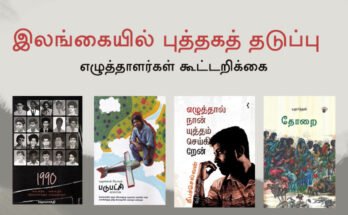
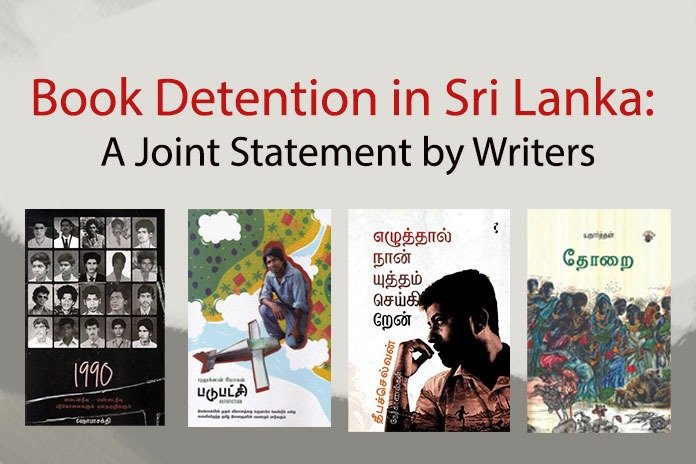
The books detained to date include Ezhuththaal Naan Yuththam Seigiren (I Wage War Through Writing) and Ippothum Inge Irandu Thesangal Thaan (Even Now, There Are Two Nations Here) by Deepachchelvan; 1990: Laiden Theevu – Mandaitheevu Padukolaigalum Puthaikuzhigalum (1990: The Massacres and Mass Graves of Laiden Island and Mandaitheevu) by Shobasakthi; Padupatchi by Diluxan Mohan; and Arasiyal Anaathaigal (Political Orphans) by Rayakaran. More recently, Thorai, a novel by writer Yatharthan, has also been detained by the Customs Department.
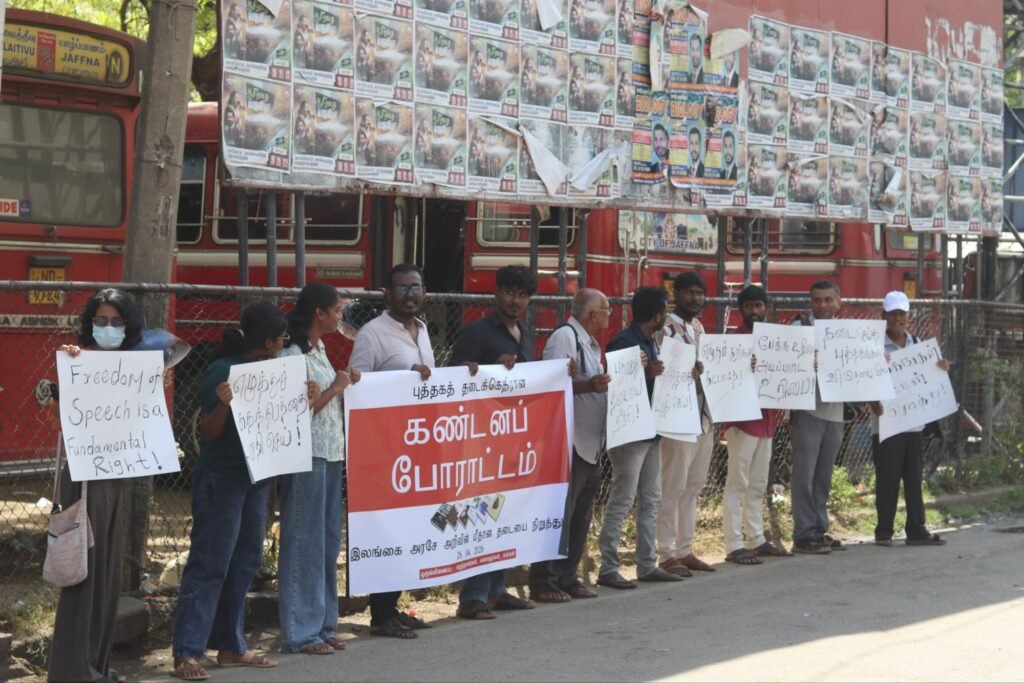
For seven months, Deepachchelvan has been forced to navigate a succession of bureaucratic procedures in an attempt to secure the release of his books. The Human Rights Commission of Sri Lanka has recommended that the books be released. Yet the government has provided no clear response, and the books remain detained.
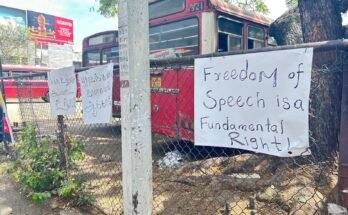
At the Jaffna Customs office, books dealing with political subjects appear to be singled out for scrutiny and detention. The presence of words such as “war,” “military,” “gun,” “Tigers,” and “mass grave” is reportedly enough to trigger the detention of a book. To withhold entire books on the basis of a handful of words or elements on their covers is to expose the state’s failure to act responsibly and the injustice inflicted upon writers. Such arbitrary and unjustified detention of books amounts to a direct assault on freedom of expression and literary freedom.
In a democracy, the banning of a book should be an exceptionally rare measure. Where a government does impose a ban, domestic and international legal mechanisms exist to challenge it. There should be clear procedures through which those affected can appeal against the decision and contest the prohibition.
In the present case, however, the Ministry of Defence is keeping books detained without accountability and with apparent indifference. By postponing decisions indefinitely and subjecting writers to repeated bureaucratic delays, the authorities are imposing both psychological distress and financial hardship on them.
Neither the government nor the Ministry of Defence has, to date, publicly declared that the books concerned are “against the sovereignty of Sri Lanka” or that they “incite terrorism.” Nor has either authority formally announced a ban on these books, clearly stated the grounds for such a ban, or provided an explanation for its decision. Nevertheless, the books continue to be withheld indefinitely, with no clear procedure available to their owners for recovering them.
The foundation of a democratic state rests on its commitment to safeguarding freedom of thought and expression. One of its fundamental responsibilities is to create an environment in which ideas can be freely expressed and written works published without unjustified interference. A government must not detain books indefinitely through indifference and administrative inaction while denying their owners any clear means of recovering them.
This is not merely an administrative failure or a matter of individual officials acting irresponsibly. Government officials operate within the framework and under the direction of the state. The government must therefore accept responsibility for this unjust practice.
We, the undersigned, call upon the Government of Sri Lanka to release all detained books without further delay and to establish transparent, fair and accountable procedures to prevent such arbitrary detentions from recurring.
Copies of this joint statement will be sent to:
- The President of Sri Lanka
- The Ministry of Defence of Sri Lanka
- The Sri Lanka Customs Department
- The media